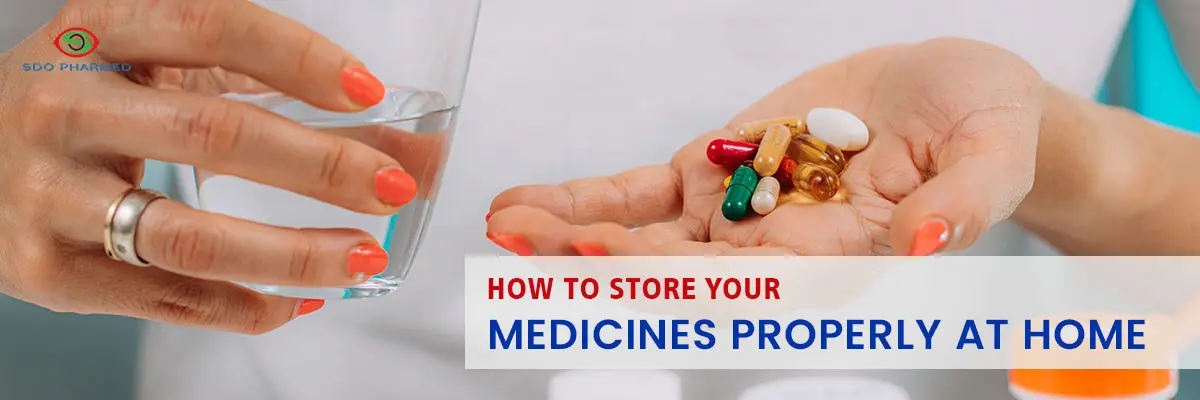
Wondering how to store your medicines at home? Follow these smart storage tips to maintain their effectiveness, safety, and shelf life. Ask ChatGPT It is very important to keep your medicines safe and effective. Why? Proper storage plays a major role. Most people don’t realize that the way medicines are kept plays a vital role. It can directly affect their strength, quality, and safety. Imagine taking a tablet that no longer works properly or worse, causes harm. Why? Just because it wasn’t stored right.
Just a little bit of negligence can make a huge difference. This is why, in this article, we at SDO Pharmed are going to share some effective ways and tips on medicine storage. Let’s walk through some simple and clear ways you can store your medicines the right way.
Why Proper Storage of Medicine Matters
Medicines are made up of chemical compounds. They can change when exposed to certain conditions. this little thing can cause changes that you can never imagine. This can make the medicine less effective or even unsafe.
Do you know what affects the quality of medicines? Heat, humidity, and sunlight! They are the biggest enemies of medicine. These elements can break down the ingredients in tablets, syrups, or creams. When this happens:
- Medicines may stop working as intended.
- They can get spoiled.
- They can even develop harmful substances.
- Higher chance of side effects.
- It can even cause allergic reactions.
Storing your medicine the right way is the only solution. It makes sure your treatment works the way it should.
Check the Storage Instructions on the Label
Each medicine comes with specific instructions. Those instructions give you an idea of how to store it. So, it’s always a good idea to read them before putting the medicine away. Some medicines need special attention. They need to be kept in special conditions:
- Certain antibiotics need refrigeration.
- Insulin must be stored in the fridge.
- Some syrups or drops may need to be used within a few weeks of opening.
- Some medicines need a cool and dry place.
If you still face any doubts, then just don’t guess. Go to your near pharmacist and ask for guidance.
Avoid Storing Medicines in the Bathroom or Kitchen
Bathrooms and kitchens may seem like easy places to keep medicines, but they are actually among the worst spots. These rooms often have:
- High humidity levels due to steam and cooking.
- Frequent temperature changes can affect medicine stability.
A better option would be:
- A cabinet in the bedroom, ideally one that stays cool and dry.
- A dedicated medicine box or drawer away from direct sunlight and heat sources.
Keep Medicines Out of Reach of Children and Pets
Homes with children or pets should be more aware. Why? Many times, they end up swallowing or coming in contact with medicines without realizing it. And this can be dangerous! So, safety comes first. If a medicine is taken by mistake, it can have a bad effect. This is why you must keep them out of reach to prevent accidents. Here’s what you can do:
- Use a locked cabinet or a shelf. Make sure that it is located high and out of reach.
- Avoid keeping pills or syrups in random places.
- After use, keep the medicines in place.
If someone accidentally ingests the wrong medicine, it can be dangerous. It can lead to serious health emergencies. So, to avoid any type of accident, be careful.
Use the Original Container/Box
It might seem convenient to move tablets into smaller boxes or plastic bags, especially when travelling or organizing. But doing this can cause more harm than good.
Here’s why it’s a bad idea:
- You might mix up medicines or forget which one is which.
- Important information like expiry dates or dosages can get lost.
- Improper containers might not protect the medicine from moisture or air.
Always keep medicines in their original packaging. This way that the label is visible and the contents are protected.
Check Expiry Dates Regularly
Many people forget to check the expiry date on their medicines until they actually fall sick. Expired medicines may not work or can even cause harm.
- Make a habit of going through your medicine supply every 3 to 6 months.
- Check the expiry dates on all packages.
- Discard anything that has expired or is no longer needed.
- Do not throw expired medicines into the toilet or regular trash.
It is very important to keep the medicines up to date. It reduces the risk of taking ineffective or harmful medicines.
Store Refrigerated Medicines Correctly
Some medicines need refrigeration. Especially injectables and insulin. But even in the fridge, there are rules to follow.
To store them properly:
- Keep them in the middle shelf of the fridge. Here the temperature stays between 2°C and 8°C.
- Avoid placing them in the fridge door, which experiences more temperature changes.
- Never freeze these medicines, as freezing can destroy their effectiveness.
If you experience a power cut, talk to your pharmacist about how long the medicine will stay good.
Closing Tip
Keeping your medicines safe at home is not really a big deal. You just need to be a little aware and careful. That’s all! Simple habits like noting down dates or setting reminders to check expiry dates are more than enough. It can make a huge change. This can go a long way in protecting your health.
If you’re unsure about how to store a particular medicine or what to do with one that seems off, ask a pharmacist. A quick question today can prevent a health risk tomorrow. After all, proper medicine storage is just another way of taking care of yourself and your loved ones.